The Sun on Their Backs: Powering African Farmers with Off-Grid Solar
Across the farms of Nigeria and Africa, a quiet revolution is rising with the sun.
For decades, smallholder farmers have battled against failing rains, post-harvest losses, and unreliable power. Many still water crops by hand, depend on diesel pumps, and watch helplessly as fresh produce spoils without cold storage. But solar energy is changing that narrative in practical, life-affirming ways.
And at Darway Coast, we’re committed to ensuring that transformation reaches the hands that feed us all.
Agriculture and the Energy Gap
Nigeria’s agricultural sector employs over 70% of rural households, yet most operate without access to reliable electricity. The result? Limited yields, low resilience, and high vulnerability to climate change.
Traditional energy sources are either too expensive, too polluting, or simply unavailable. Solar offers a clean, stable, and scalable pathway to agricultural growth and rural prosperity.
Empowering Farmers with the Sun
Darway Coast has worked with communities to deploy off-grid solar mini-grids and standalone systems that directly support:
• Irrigation pumps for more consistent yields
• Cold storage to preserve perishable goods
• Agro-processing equipment to boost value addition
• Lighting for safer farm logistics and home productivity
When farmers are empowered with clean, affordable energy, they don’t just produce more—they earn more, save more, and build more resilient communities.
Local Roots, Global Relevance
Solar-powered agriculture supports multiple Sustainable Development Goals:
• SDG 1 (No Poverty)
• SDG 2 (Zero Hunger)
• SDG 7 (Clean Energy)
• SDG 13 (Climate Action)
By transforming rural productivity, solar solutions also address global food security, supply chain resilience, and climate-smart farming practices.
Stronger Together
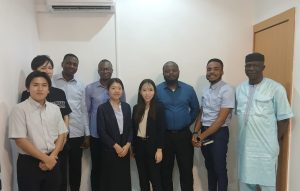
Darway’s approach to deployment is deeply collaborative. We engage directly with host communities, traditional leaders, local champions, and relevant stakeholders to ensure our projects are not only accepted—but embraced. Together, we build systems that are sustainable, valued, and rooted in trust.
Because when the sun works for the farmer, Africa works for the world.